
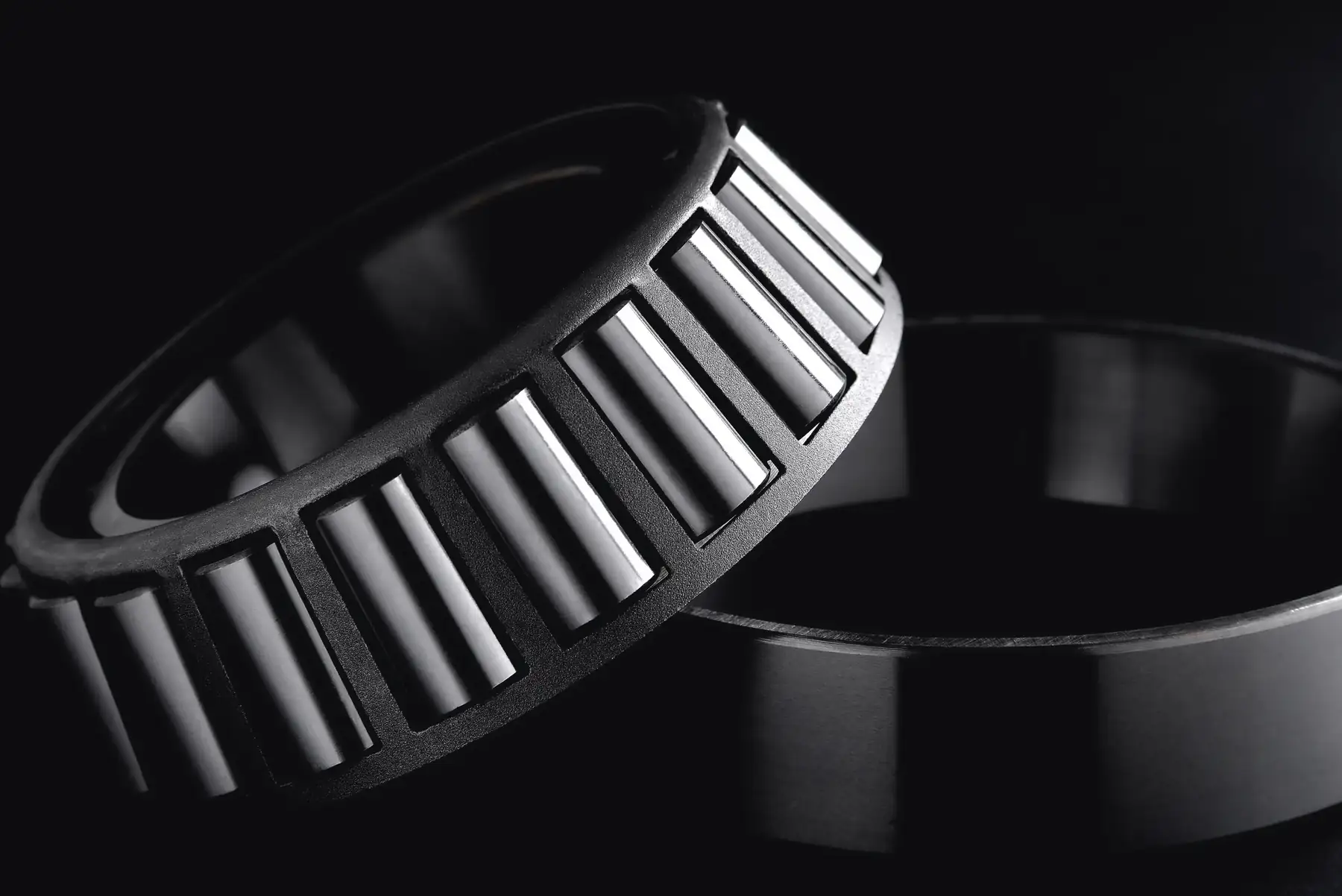
What an exciter bearing has to surviveExciter bearing தாங்க வேண்டியவை
In a vibrating screen the exciter (unbalance) shaft carries eccentric weights. As it rotates it throws the screen body through its stroke, and the same force acts on the bearings in every revolution. The bearings therefore carry a rotating load many times larger than the static weight, plus the vibration of the housing itself. Unlike a normal bearing, the load direction hardly ever stays still, and the rollers are pushed hard against the cage.Vibrating screen-இல் exciter (unbalance) shaft-இல் eccentric weight இருக்கும். அது சுழலும்போது screen body-ஐ அதன் stroke-இல் வீசுகிறது; அதே விசை ஒவ்வொரு சுழற்சியிலும் bearing மீது செயல்படுகிறது. எனவே bearing-கள் நிலையான எடையைவிட பல மடங்கு பெரிய சுழலும் சுமையையும், housing-இன் அதிர்வையும் தாங்குகின்றன. சாதாரண bearing போலன்றி, சுமையின் திசை ஒருபோதும் நிலையாக இருப்பதில்லை; roller-கள் cage-ஐ வலுவாக அழுத்துகின்றன.
For this reason exciter bearings are usually spherical roller bearings of heavy-duty design. They typically have a larger radial internal clearance than normal (C4 is common) so that heat and the interference fit do not close the clearance, and a strong machined or pressed steel or brass cage that can survive the acceleration. Typically, confirm with the screen maker: the clearance class, cage type and lubricant on your screen are part of its design.அதனால் exciter bearing-கள் பொதுவாக கனரக வடிவமைப்புள்ள spherical roller bearing. வெப்பமும் interference fit-உம் clearance-ஐ மூடாமல் இருக்க, இவை பொதுவாக normal-ஐ விட பெரிய radial உள் clearance (C4 பொதுவானது), அந்த முடுக்கத்தைத் தாங்கும் வலுவான machined அல்லது pressed steel / brass cage உடன் இருக்கும். பொதுவாக, screen தயாரிப்பாளரிடம் உறுதி செய்யுங்கள்: உங்கள் screen-இன் clearance class, cage வகை, lubricant ஆகியவை அதன் வடிவமைப்பின் பகுதி.
Main causes of early failureஆரம்பகால பழுதின் முக்கிய காரணங்கள்
- Wrong clearance. A normal-clearance bearing in place of the specified C4 can run too tight when warm, overheat and fail quickly. The reverse (too loose) lets rollers skid and the cage wear.
- Lubricant breakdown from heat. Oil or grease that overheats oxidises, thins or hardens and stops protecting the surfaces.
- Over- or under-lubrication. Too much grease or too high an oil level makes the lubricant churn and heat up; too little lets metal contact start. In an oil-bath exciter box the oil level must be correct while the machine is stopped.
- Loose or misaligned housings. Slack mounting bolts, a worn housing bore or a distorted frame let the bearing move and fret in its seat and load it unevenly.
- Unbalanced or uneven loading. Unequal exciter weights, a broken spring, bed overload, material heaped to one side or a blocked feed make one bearing carry more than the other.
- Contamination. Dust, water or screen material entering through worn seals or breather points wears the raceways.
- Worn shaft or housing seats. A fitted bearing on a worn seat spins on the shaft or in the housing and wears it further.
- தவறான clearance. குறிப்பிட்ட C4-க்கு பதிலாக normal clearance bearing போட்டால், சூடாகும்போது மிக இறுக்கமாகி, அதிக வெப்பமாகி விரைவில் பழுதாகலாம். எதிர்மாறாக (மிகத் தளர்வு) roller சறுக்கி, cage தேயும்.
- வெப்பத்தால் lubricant கெடுதல். அதிக சூடான oil அல்லது grease ஆக்சிஜனேற்றம் அடைந்து, நீர்த்து அல்லது கடினமாகி மேற்பரப்புகளைக் காக்காது.
- அதிக அல்லது குறைவான lubrication. அதிக grease அல்லது அதிக oil level lubricant-ஐ churn செய்து சூடாக்கும்; குறைவானது உலோகம் உலோகத்தில் உரச வழிவகுக்கும். Oil-bath exciter box-இல் இயந்திரம் நின்ற நிலையில் oil level சரியாக இருக்க வேண்டும்.
- தளர்வான அல்லது நேராக இல்லாத housing. தளர்ந்த bolt, தேய்ந்த housing bore, வளைந்த frame ஆகியவை bearing-ஐ இருக்கையில் நகர்த்தி fretting ஏற்படுத்தி சமமற்ற சுமை தரும்.
- Unbalance அல்லது சமமற்ற சுமை. சமமற்ற exciter weight, உடைந்த spring, bed அதிக சுமை, ஒரு பக்கம் குவியும் material, அடைபட்ட feed ஆகியவை ஒரு bearing-ஐ மற்றதை விட அதிகம் சுமக்கச் செய்யும்.
- தூசி, அசுத்தம். தேய்ந்த seal அல்லது breather வழியாக தூசி, தண்ணீர், screen material உள்ளே புகுந்து raceway-ஐ தேய்க்கும்.
- தேய்ந்த shaft அல்லது housing இருக்கை. தேய்ந்த இருக்கையில் பொருத்திய bearing shaft அல்லது housing-இல் சுழன்று மேலும் தேய்க்கும்.
Symptoms and what they usually meanஅறிகுறிகளும் அவை பொதுவாகக் குறிப்பவையும்
When a failed bearing is removed, its look tells the story. The terms below follow the ISO 15243 families of failure in plain words. Treat the table as a guide; a combination of causes is common.பழுதான bearing-ஐ வெளியே எடுக்கும்போது அதன் தோற்றமே கதையைச் சொல்லும். கீழே உள்ள சொற்கள் ISO 15243 பழுது வகைகளை எளிய மொழியில் தருகின்றன. இதை வழிகாட்டியாக மட்டும் பாருங்கள்; பல காரணங்கள் சேர்ந்திருப்பது சாதாரணம்.
| What you seeஎன்ன தெரிகிறது | Failure family (ISO 15243)பழுது வகை (ISO 15243) | Usual causeபொதுவான காரணம் |
|---|---|---|
| Flaking or pitting of the raceway, starting as small spallsRaceway-இல் உதிர்தல் அல்லது குழிகள்; சிறிய spall-ஆகத் தொடங்கும் | Rolling contact fatigueRolling contact fatigue | Overload, uneven loading, end of normal life, shaft or housing out of shapeஅதிக சுமை, சமமற்ற சுமை, சாதாரண ஆயுள் முடிவு, shaft அல்லது housing வடிவம் சிதைவு |
| Dull, scratched or worn surfaces, polished rollersமங்கலான, கீறல் விழுந்த அல்லது தேய்ந்த மேற்பரப்பு, பளபளப்பான roller | Wear (abrasive or adhesive)Wear (abrasive அல்லது adhesive) | Dust or grit in the lubricant, poor lubrication filmLubricant-இல் தூசி, துகள்; மோசமான lubrication film |
| Smeared, scuffed bands on raceway or rollersRaceway அல்லது roller-இல் தேய்ந்த, உராய்ந்த பட்டைகள் | Wear by skidding (smearing)சறுக்கலால் தேய்மானம் (smearing) | Rollers sliding under light load or with too-large clearance, thin lubricantகுறைந்த சுமை அல்லது மிகப் பெரிய clearance, மெல்லிய lubricant-இல் roller சறுக்குதல் |
| Blue, brown or black discolouration, hardened or burnt lubricantநீலம், பழுப்பு, கருப்பு நிறமாற்றம், கடினமான அல்லது எரிந்த lubricant | Overheating (lubrication failure)அதிக வெப்பம் (lubrication failure) | Over-filling, too little lubricant, tight clearance, wrong lubricantஅதிக நிரப்புதல், குறைவான lubricant, இறுக்கமான clearance, தவறான lubricant |
| Reddish-brown rust-like marks on bore or outside diameterBore அல்லது வெளி விட்டத்தில் சிவப்பு-பழுப்பு துரு போன்ற குறிகள் | Fretting corrosionFretting corrosion | Loose fit, worn seat, housing or shaft movement under vibrationதளர்வான fit, தேய்ந்த இருக்கை, அதிர்வில் housing அல்லது shaft நகர்வு |
| Pitting from rust, water stains, brown paste in greaseதுரு குழிகள், தண்ணீர் கறை, grease-இல் பழுப்பு பசை | CorrosionCorrosion | Water ingress, failed seals, wash-down spray, condensationதண்ணீர் உள்ளே புகுதல், பழுதான seal, wash-down தெளிப்பு, condensation |
| Broken cage pieces, cracked ringஉடைந்த cage துண்டுகள், விரிசல் விழுந்த வளையம் | Fracture and crackingFracture, cracking | Severe shock, extreme overload, hammering on rings during fitting, advanced damageகடும் அதிர்ச்சி, மிக அதிக சுமை, பொருத்தும்போது வளையத்தில் அடித்தல், முற்றிய சேதம் |
Temperature and lubricationவெப்பநிலையும் lubrication-உம்
As a rough guide, measure the exciter housing at the same spot with an infrared thermometer each shift. Many exciters run steadily somewhere in the 60–85 °C range, but the normal level depends on the machine and weather, so note what is normal for your screen. A steady climb of about 15–20 °C above that normal level, or a reading above about 90–100 °C, means stop and inspect. Always check the screen maker's manual for its permitted temperature.தோராயமான வழிகாட்டியாக, ஒவ்வொரு shift-இலும் exciter housing-ஐ அதே இடத்தில் infrared thermometer-ஆல் அளவிடுங்கள். பல exciter-கள் 60–85 °C வரம்பில் நிலையாக இயங்கும்; ஆனால் சாதாரண அளவு இயந்திரம், வானிலையைப் பொறுத்தது; எனவே உங்கள் screen-இன் சாதாரண அளவைக் குறித்து வையுங்கள். அந்த அளவை விட சுமார் 15–20 °C தொடர்ந்து ஏறினால் அல்லது சுமார் 90–100 °C-க்கு மேல் இருந்தால் நிறுத்தி சோதியுங்கள். அனுமதிக்கப்பட்ட வெப்பநிலைக்கு screen தயாரிப்பாளரின் manual-ஐ எப்போதும் பாருங்கள்.
- Oil-lubricated exciters: check the level at the sight glass with the screen stopped and settled, top up only with the specified oil, and keep the breather clean. Change oil at the maker's interval and after the first run-in period; hot or dusty duty usually needs shorter intervals. Look at the drained oil for metal glitter, milky water or a burnt smell.
- Grease-lubricated exciters: use the grease type and quantity in the manual. Add grease in small shots, with the screen running only if the maker allows it and it is safe to do so. Do not pack the housing beyond the specified fill, because vibration makes surplus grease churn and overheat.
- Never mix oil types or grease types without checking compatibility, and keep the filling points clean. See our greasing guide and grease and sealing for crushers.
- Oil-lubricated exciter: screen நின்று oil அமைதியான நிலையில் sight glass-இல் level பாருங்கள்; குறிப்பிட்ட oil-ஐ மட்டும் நிரப்புங்கள்; breather-ஐ சுத்தமாக வையுங்கள். தயாரிப்பாளர் குறிப்பிட்ட இடைவெளியிலும் முதல் run-in காலத்துக்குப் பின்னும் oil மாற்றுங்கள்; சூடான, தூசியான வேலைக்கு பொதுவாக குறைந்த இடைவெளி தேவை. வெளியேற்றிய oil-இல் உலோகத் துகள், பால் போன்ற தண்ணீர், எரிந்த வாசனை உள்ளதா பாருங்கள்.
- Grease-lubricated exciter: manual-இல் உள்ள grease வகை, அளவைப் பயன்படுத்துங்கள். சிறு அளவுகளாகச் சேர்க்கவும்; தயாரிப்பாளர் அனுமதித்து, பாதுகாப்பாக இருந்தால் மட்டுமே screen ஓடும்போது. குறிப்பிட்ட அளவுக்கு மேல் housing-ஐ நிரப்பாதீர்கள்; அதிர்வில் மிகை grease churn ஆகி சூடாகும்.
- Oil, grease வகைகளைக் கலக்காதீர்கள் — பொருந்துமா எனப் பார்க்காமல்; நிரப்பும் இடங்களைச் சுத்தமாக வையுங்கள். எங்கள் greasing வழிகாட்டி, Crusher-களுக்கான grease, sealing கட்டுரைகளைப் பாருங்கள்.
Do not run a screen with a hot exciter 'just to finish the shift'. Overheating can seize the bearing, break the cage and damage the shaft or housing, and a failing exciter can throw parts. Always lock out and tag out the drive and keep guards in place when checking or greasing.'Shift முடியும் வரை' என்று சூடான exciter-உடன் screen-ஐ ஓட்டாதீர்கள். அதிக வெப்பம் bearing-ஐ seize செய்து, cage-ஐ உடைத்து, shaft, housing-ஐ சேதப்படுத்தலாம்; பழுதான exciter பாகங்களை வீசவும் கூடும். சோதிக்கும்போதும் grease போடும்போதும் எப்போதும் drive-ஐ lock-out / tag-out செய்து, guard-களை இடத்தில் வையுங்கள்.
A simple inspection routineஎளிய ஆய்வு முறை
- Every shift: record the exciter housing temperature on both sides; compare with the usual values and with the other side.
- Every shift: look at the oil level (stopped) or grease condition; look for leaks, wet streaks or dust build-up at seals.
- Weekly: check the exciter housing bolts, mounting bolts and the screen side plates for looseness or cracks, using the torque in the manual.
- Weekly: check the springs and rubber mounts, and watch the screen motion; a wobble or uneven stroke means uneven loading.
- Weekly: check the drive belt or coupling condition and alignment, and the direction of rotation as the manual requires.
- At every oil or grease service: look at the used lubricant for metal, water or grit, and note it in the log.
- Keep a log of hours, temperatures, oil changes and replacements; a rising trend is the earliest warning.
- ஒவ்வொரு shift-இலும்: exciter housing வெப்பநிலையை இரு பக்கமும் பதிவு செய்யுங்கள்; வழக்கமான அளவுடனும் மறுபக்கத்துடனும் ஒப்பிடுங்கள்.
- ஒவ்வொரு shift-இலும்: oil level (நின்ற நிலையில்) அல்லது grease நிலையைப் பாருங்கள்; seal-இல் கசிவு, ஈரக் கோடுகள், தூசி படிவு உள்ளதா பாருங்கள்.
- வாரந்தோறும்: exciter housing bolt, mounting bolt, screen side plate-இல் தளர்வு, விரிசல் உள்ளதா, manual-இல் உள்ள torque-ஐ வைத்துச் சோதியுங்கள்.
- வாரந்தோறும்: spring, rubber mount-ஐ சோதித்து, screen இயக்கத்தைக் கவனியுங்கள்; தள்ளாட்டம் அல்லது சமமற்ற stroke என்றால் சமமற்ற சுமை.
- வாரந்தோறும்: drive belt அல்லது coupling நிலை, alignment, manual கூறும் சுழற்சி திசையைச் சோதியுங்கள்.
- ஒவ்வொரு oil / grease service-இலும்: பயன்படுத்திய lubricant-இல் உலோகம், தண்ணீர், துகள் உள்ளதா பார்த்து log-இல் குறியுங்கள்.
- Log வைத்திருங்கள்: மணி நேரம், வெப்பநிலை, oil மாற்றம், bearing மாற்றம்; ஏறும் போக்கு மிக முந்தைய எச்சரிக்கை.
After a failure: do not just drop in a new bearingபழுதுக்குப் பின்: புதிய bearing-ஐ மட்டும் போடாதீர்கள்
- Lock out the screen, release stored energy and support the exciter properly before dismantling.
- Photograph the failed bearing and note its marking. Keep it for inspection against the table above.
- Measure the shaft seat and housing bore for wear, out-of-roundness and fretting. A bearing fitted on a worn seat will fail again.
- Check the exciter shaft for bend and for damaged threads or shoulders, and clean the housing completely, including oil passages.
- Replace the bearings on that exciter shaft as a matched pair or set from the same supplier and batch, with the same clearance class, and renew the seals. Drain and renew the lubricant.
- Fit with a proper heater or hydraulic method (typically no hotter than about 110 °C when heating, see the bearing maker's guidance); never use an open flame and never hammer on the rings.
- Check the exciter weights are set equally on both sides as the maker specifies, tighten bolts to the specified torque, and refit guards before restart.
- Record the hours reached, the cause found and the new bearing numbers.
- Screen-ஐ lock-out செய்து, சேமிக்கப்பட்ட ஆற்றலை விடுவித்து, பிரிக்கும் முன் exciter-ஐ சரியாகத் தாங்கி நிறுத்துங்கள்.
- பழுதான bearing-ஐப் புகைப்படம் எடுத்து, அதன் குறியீட்டைக் குறியுங்கள். மேலே உள்ள அட்டவணையுடன் ஒப்பிட வைத்திருங்கள்.
- Shaft இருக்கை, housing bore-இல் தேய்மானம், வட்டமின்மை, fretting உள்ளதா அளவிடுங்கள். தேய்ந்த இருக்கையில் போடும் bearing மீண்டும் பழுதாகும்.
- Exciter shaft-இல் வளைவு, சேதமடைந்த thread அல்லது shoulder உள்ளதா சோதியுங்கள்; oil வழிகள் உட்பட housing-ஐ முழுமையாகச் சுத்தம் செய்யுங்கள்.
- அந்த exciter shaft-இல் உள்ள bearing-களை ஒரே இணையாக / set-ஆக — ஒரே சப்ளையர், ஒரே batch, அதே clearance class — மாற்றுங்கள்; seal-களையும் புதுப்பியுங்கள். Lubricant-ஐ வடித்து புதியது நிரப்புங்கள்.
- சரியான heater அல்லது hydraulic முறையில் பொருத்துங்கள் (சூடாக்கினால் பொதுவாக சுமார் 110 °C-க்கு மிகாமல்; bearing தயாரிப்பாளரின் வழிகாட்டியைப் பாருங்கள்); திறந்த தீ கூடாது; வளையத்தில் சுத்தியலால் அடிக்கக் கூடாது.
- தயாரிப்பாளர் குறிப்பிட்டபடி exciter weight இரு பக்கமும் சமமாக உள்ளதா சோதித்து, bolt-களை குறிப்பிட்ட torque-இல் இறுக்கி, மீண்டும் இயக்கும் முன் guard-களைப் பொருத்துங்கள்.
- எட்டிய மணி நேரம், கண்ட காரணம், புதிய bearing எண்களைப் பதிவு செய்யுங்கள்.
To see the effect of load and speed on life, try the free Bearing Life calculator (more tools at calculators.html). To order the replacement set, send us the old bearing number, the screen model and the shaft size on WhatsApp, or use the Bearing Selector. We are an authorised dealer and will confirm the numbers against the maker's catalogue.Load, வேகம் ஆயுளை எவ்வாறு பாதிக்கும் எனப் பார்க்க, இலவச Bearing Life கணிப்பானை முயலுங்கள் (மேலும் கருவிகள் calculators.html-இல்). மாற்று set ஆர்டருக்கு, பழைய bearing எண், screen மாடல், shaft அளவை WhatsApp-இல் அனுப்புங்கள், அல்லது Bearing Selector-ஐப் பயன்படுத்துங்கள். நாங்கள் authorised dealer; எண்களை தயாரிப்பாளரின் catalogue-உடன் உறுதி செய்து தருகிறோம்.
Frequently asked questionsஅடிக்கடி கேட்கும் கேள்விகள்
Why do screens use C4 clearance bearings?Screen-களில் C4 clearance bearing ஏன் பயன்படுத்தப்படுகிறது?
Typically because the heavy interference fit and the heat of the exciter shaft reduce the running clearance. A larger starting clearance leaves enough free play when the bearing is warm. This is a general practice; confirm the class with the screen maker.பொதுவாக, கனமான interference fit-உம் exciter shaft-இன் வெப்பமும் இயங்கும் clearance-ஐக் குறைப்பதால். பெரிய ஆரம்ப clearance, bearing சூடானபோதும் போதுமான இடைவெளி விடும். இது பொது நடைமுறை; class-ஐ screen தயாரிப்பாளரிடம் உறுதி செய்யுங்கள்.
Should I replace just the failed bearing on the exciter shaft?Exciter shaft-இல் பழுதான bearing-ஐ மட்டும் மாற்றலாமா?
It is better to replace both bearings of that shaft together, with the same clearance class and seals. A new bearing paired with an old one carries unequal load and the old one will usually follow soon.அந்த shaft-இன் இரண்டு bearing-ஐயும் ஒன்றாக, அதே clearance class, seal-உடன் மாற்றுவது நல்லது. புதிய bearing-ஐ பழையதுடன் இணைத்தால் சுமை சமமற்றதாகும்; பழையது விரைவில் பழுதாகும்.
Can I mix a different oil when topping up the exciter box?Exciter box-இல் oil சேர்க்கும்போது வேறு oil கலக்கலாமா?
No. Use the oil grade specified in the manual. Mixing types can change viscosity and additives and reduce the protection. If the grade is unknown, drain and refill with the specified one.கூடாது. Manual-இல் குறிப்பிட்ட oil grade-ஐப் பயன்படுத்துங்கள். வகைகளைக் கலப்பது viscosity, additive-ஐ மாற்றி பாதுகாப்பைக் குறைக்கும். Grade தெரியவில்லையெனில் வடித்து குறிப்பிட்டதை நிரப்புங்கள்.
Is a hot exciter always a bad sign?Exciter சூடாக இருந்தால் எப்போதும் கெட்ட அறிகுறியா?
A new or freshly serviced exciter may run warmer for the first hours. What matters is a steady normal level for your machine. A steady climb or a reading near 90–100 °C means inspect at once. See bearing overheating.புதிய அல்லது புதிதாக service செய்த exciter முதல் சில மணி நேரம் சூடாக இருக்கலாம். முக்கியம் உங்கள் இயந்திரத்துக்கான நிலையான சாதாரண அளவு. தொடர்ந்து ஏறுவது அல்லது 90–100 °C அருகில் இருப்பது உடனடி ஆய்வைக் குறிக்கும். Bearing overheating கட்டுரையைப் பாருங்கள்.
SKF, TIMKEN, NSK, NBC, FAG and more — 57,000+ parts with GST invoice and pan-India dispatch.SKF, TIMKEN, NSK, NBC, FAG மற்றும் பல — 57,000+ பாகங்கள், GST invoice, இந்தியா முழுவதும் அனுப்புதல்.